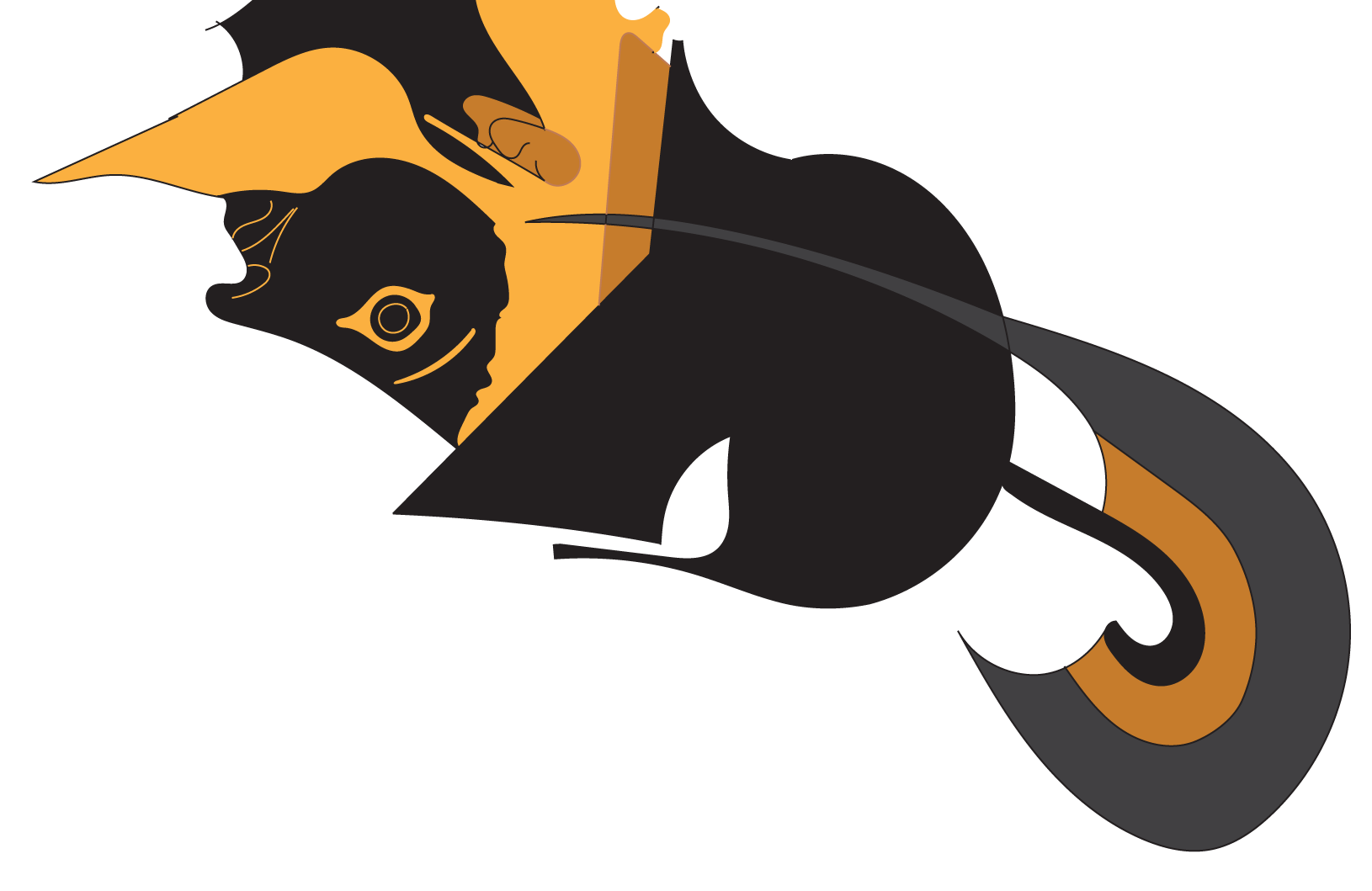
Thus they spoke to one another. And a hound that lay there raised his head and pricked up his ears, Argos, the hound of Odysseus, of the steadfast heart, whom of old he had himself bred, but had no joy of him, for ere that he went to sacred Ilios. In days past the young men were wont to take the hound to huntthe wild goats, and deer, and hares; but now he lay neglected, his master gone, in the deep dung of mules and cattle, which lay in heaps before the doors, till the slaves of Odysseus should take it away to dung his wide lands.There lay the hound Argos, full of vermin; yet even now, when he marked Odysseus standing near, he wagged his tail and dropped both his ears, but nearer to his master he had no longer strength to move. Then Odysseus looked aside and wiped away a tear,easily hiding from Eumaeus what he did; and straightway he questioned him, and said: “Eumaeus, verily it is strange that this hound lies here in the dung. He is fine of form, but I do not clearly know whether he has speed of foot to match this beauty or whether he is merely as table-dogsare, which their masters keep for show.” To him then, swineherd Eumaeus, didst thou make answer and say: “Aye, verily this is the hound of a man that has died in a far land. If he were but in form and in action such as he was when Odysseus left him and went to Troy,thou wouldest soon be amazed at seeing his speed and his strength. No creature that he started in the depths of the thick wood could escape him, and in tracking too he was keen of scent. But now he is in evil plight, and his master has perished far from his native land, and the heedless women give him no care.Slaves, when their masters lose their power, are no longer minded thereafter to do honest service: for Zeus, whose voice is borne afar, takes away half his worth from a man, when the day of slavery comes upon him.” So saying, he entered the stately houseand went straight to the hall to join the company of the lordly wooers. But as for Argos, the fate of black death seized him straightway when he had seen Odysseus in the twentieth year. Now as the swineherd came through the hall godlike Telemachus was far the first to see him, and quicklywith a nod he called him and to his side. And Eumaeus looked about him and took a stool that lay near, on which the carver was wont to sit when carving for the wooers the many joints of meat, as they feasted in the hall. This he took and placed at the table of Telemachus, over against him, and there sat down himself. And a heraldtook a portion of meat and set it before him, and bread from out the basket.
290