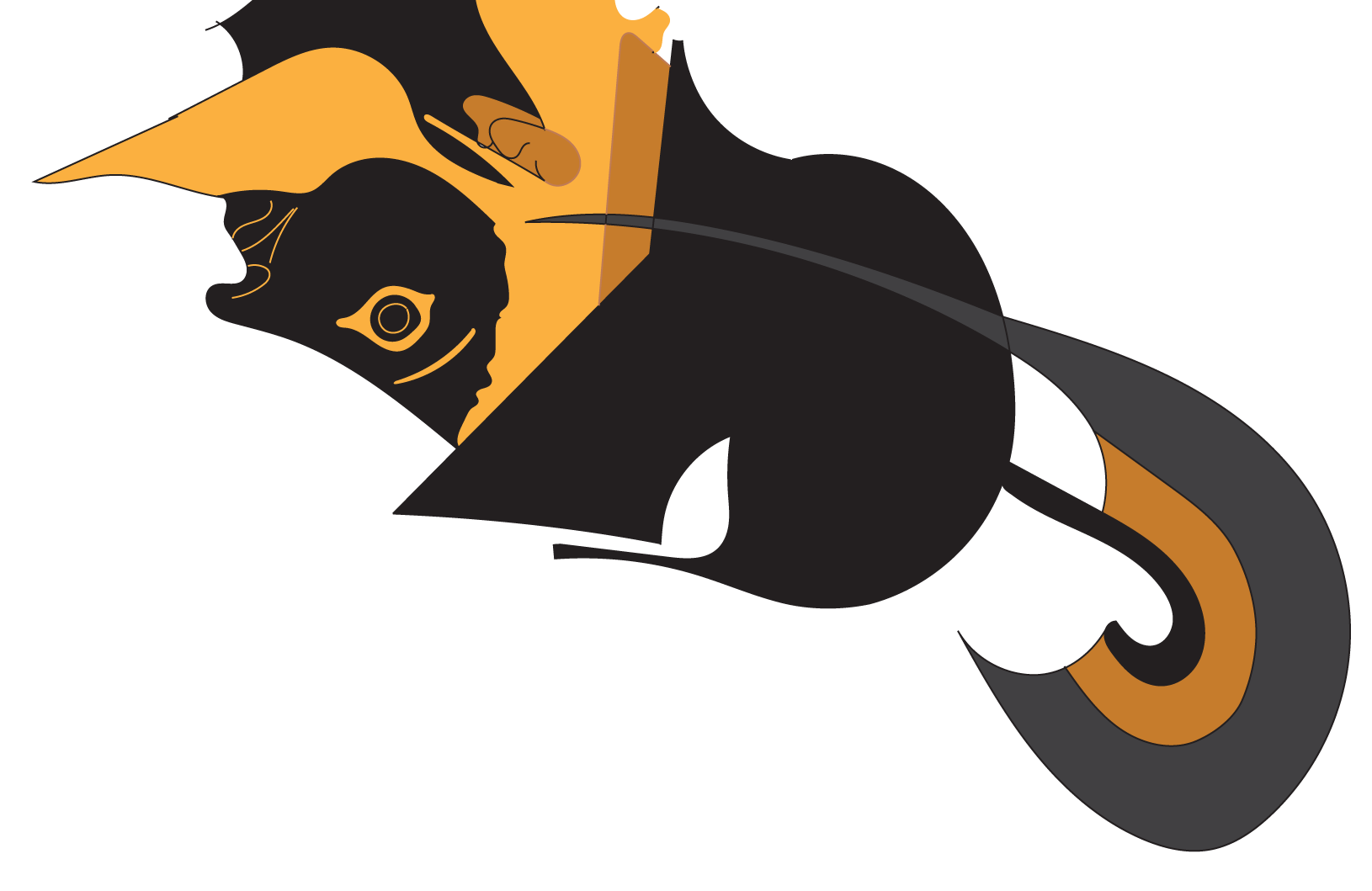
As he spoke he struck Menelaos full on the shield, but the spear did not go through, for the shield turned its point. Menelaos then took aim, praying to father Zeus as he did so; Euphorbos was drawing back, and Menelaos struck him about the roots of his throat, leaning his whole weight on the spear, so as to drive it home. The point went clean through his neck, and his armor rang rattling round him as he fell heavily to the ground. His locks of hair, so deftly bound in bands of silver and gold, were all bedrabbled with flecks of blood, which looked like myrtle-blossoms [kharites]. As one who has grown a fine young olive tree in a clear space where there is abundance of water - the plant is full of promise, and though the winds beat upon it from every quarter it puts forth its white blossoms till the blasts of some fierce wind sweep down upon it and level it with the ground - even so did Menelaos strip the fair youth Euphorbos of his armor after he had slain him. Or as some fierce lion upon the mountains in the pride of his strength fastens on the finest heifer in a herd as it is feeding - first he breaks her neck with his strong jaws, and then gorges on her blood and entrails; dogs and shepherds raise a hue and cry against him, but they stand aloof and will not come close to him, for they are pale with fear - even so no one had the courage to face valiant Menelaos. The son of Atreus would have then carried off the armor of the son of Panthoos with ease, had not Phoebus Apollo been angry, and in the guise of Mentes chief of the Kikones incited Hektor to attack him. "Hektor," said he, "you are now going after the horses of the noble son of Aiakos, but you will not take them; they cannot be kept in hand and driven by mortal man, save only by Achilles, who is son to an immortal mother. Meanwhile Menelaos son of Atreus has bestridden the body of Patroklos and killed the noblest of the Trojans, Euphorbos son of Panthoos, so that he can fight no more."
1