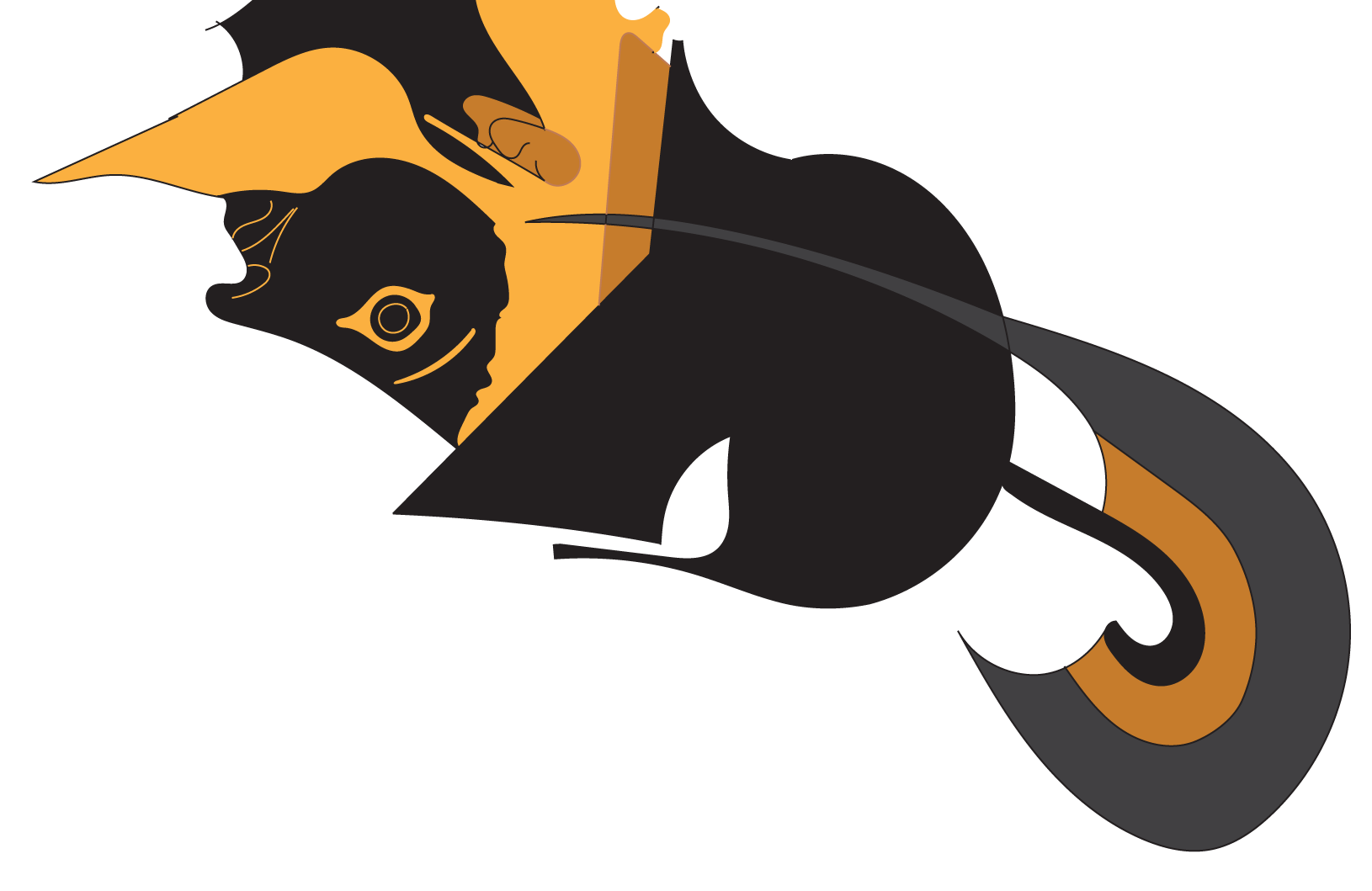
Sarpedon now took a second aim at Patroklos, and again missed him, the point of the spear passed over his left shoulder without hitting him. Patroklos then aimed in his turn, and the spear sped not from his hand in vain, for he hit Sarpedon just where the midriff surrounds the ever-beating heart. He fell like some oak or silver poplar or tall pine to which woodmen have laid their axes upon the mountains to make timber for ship-building - even so did he lie stretched at full length in front of his chariot and horses, moaning and clutching at the blood-stained dust. As when a lion springs with a bound upon a herd of cattle and fastens on a great black bull which dies bellowing in its clutches - even so did the leader of the Lycian warriors struggle in death as he fell by the hand of Patroklos. He called on his trusty comrade and said, "Glaukos, my brother, hero among heroes, put forth all your strength, fight with might and main, now if ever quit yourself like a valiant warrior. First go about among the Lycian leaders and bid them fight for Sarpedon; then yourself also do battle to save my armor from being taken. My name will haunt you henceforth and for ever if the Achaeans rob me of my armor now that I have fallen near the assembly [agôn] of their ships. Do your very utmost and call all my people together."
431
The outcome [telos] of death closed his eyes as he spoke. Patroklos planted his heel on his breast and drew the spear from his body, whereon his diaphragm came out along with it, and he drew out both spear-point and Sarpedon's life-breath [psukhê] at the same time. Hard by the Myrmidons held his snorting steeds, who were wild with panic at finding themselves deserted by their lords. Glaukos was overcome with grief [akhos] when he heard what Sarpedon said, for he could not help him. He had to support his arm with his other hand, being in great pain through the wound which Teucer's arrow had given him when Teucer was defending the wall as he, Glaukos, was assailing it. Therefore he prayed to far-darting Apollo saying, "Hear me O king from your seat, may be in the fertile district [dêmos] of Lycia, or may be in Troy, for in all places you can hear the prayer of one who is in distress, as I now am. I have a grievous wound; my hand is aching with pain, there is no staunching the blood, and my whole arm drags by reason of my hurt, so that I cannot grasp my sword nor go among my foes and fight them, though our prince, Zeus' son Sarpedon, is slain. Zeus defended not his son, do you, therefore, O king, heal me of my wound, ease my pain and grant me strength both to cheer on the Lycians and to fight along with them round the body of him who has fallen."